“Why Bea-ing Nosy Matters in Trauma Care”
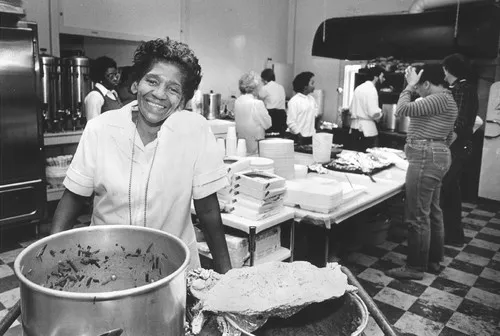
Shortly before her death, Bea Gaddy, the “Mother Teresa of Baltimore,” spoke to my high school. My memories of her pacing the auditorium stage are fuzzy now, but one thing stuck. She urged us to “bea nosy”—to ask questions, to notice, to care.
Years later, I sat in my office with the phone pressed tight against my ear. On the other end was Trisha (not her real name), one of my clients. She wasn’t calling about case management needs. She was bawling, saying she wished she were dead. She called because she had no one else. I was still new to my social work career. I had always thought Bea’s advice applied to community service, but maybe it was this too – sitting on the phone with Trisha, reminding her she mattered, and staying with her through the pain.
When we talk about suicide prevention, we often picture a hotline number or access to mental health treatment. Both are absolutely vital. But prevention is also built in everyday moments – when we choose to be nosy, when we genuinely check in, when we ask the uncomfortable question: “Have you thought about hurting yourself?” and when we stay present if the answer is yes.
Being nosy in the Bea Gaddy way doesn’t mean being intrusive. It means noticing when something doesn’t feel right and caring enough to speak up. It means showing up, listening without judgment, and helping someone feel less alone. We know that healing from traumatic injury is not only physical. Each year, trauma centers across Maryland see thousands of patients whose lives have been changed in an instant by car crashes, violence, falls, and other accidents. In the aftermath, the physical injuries are obvious, but the emotional wounds are often hidden. These hidden wounds can deepen over time into depression, PTSD, or suicidal thoughts. Suicide prevention is trauma care. It isn’t limited to one role or one department. Anyone who crosses paths with a patient, family member, or colleague has the chance to “bea” nosy – to notice when something seems wrong, to ask with compassion, and to make sure no one feels alone.
And this also applies to ourselves. Trauma work takes a toll. We are not immune to stress, burnout, or suicidal ideation. Being “nosy” means checking in with colleagues too – asking the hard questions, looking out for each other, and making sure no one feels alone in their struggle.
That phone call was the beginning of a long journey of treatment for Trisha. I still think about her, and I hope she has someone in her life today who is “nosy” enough to notice and care. This Suicide Prevention Month, let’s remember that prevention is not just the work of mental health professionals or crisis lines – it’s also our work and the work of communities, friends, and families. Every one of us can “bea” nosy. Every one of us can save a life.
If you or someone you know is struggling, you don’t have to go through it alone. Call or text 988 to connect with the Suicide & Crisis Lifeline; support is available 24/7. If you’re looking for something more tailored, the American Psychological Association (APA) shares resources for different needs. And for those of us working in healthcare, this list of crisis and mental health resources is designed with us in mind.
————
Bio: Amanda Kern LCSW-C has been with Shock Trauma as a social worker since 2022, serving first as a unit social worker before becoming the Trauma Survivors Network Coordinator in 2024. Through her work with patients and families, she developed a deep commitment to advancing trauma-informed care and supporting survivors in their recovery. In her current role, she leads programs that foster emotional healing after injury and strengthen the support systems survivors rely on throughout their journey. Amanda thrives on building connections that honor both the resilience of trauma survivors and the dedication of the teams who care for them.