
Fall Prevention Tips
Be Ready to Stay Steady
Don’t Let a Fall Hold You Back
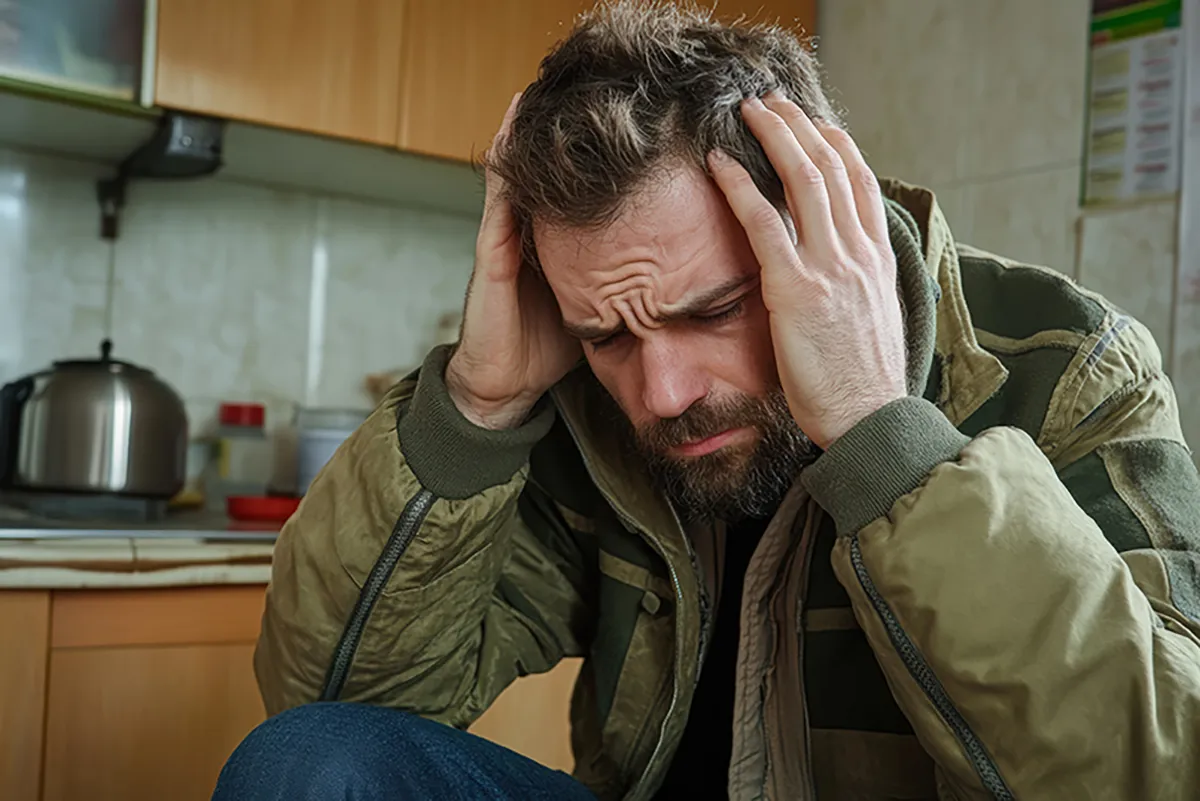
A fall can knock you off your feet, literally and mentally. It’s not just the injuries that can hurt; the fear of falling again can be just as limiting. Many people find themselves avoiding favorite activities or staying home more than they’d like, out of fear of falling again.
Those feelings are completely normal, but letting fear lead your behavior can keep you from getting back up. The good news is that you have more power than you think. With the right knowledge and simple tools, you can be empowered and confident to take the steps to be ready to stay steady!
Are falls inevitable?
Falls are NOT a normal part of aging. There are so many ways you can prevent falls from happening to you!
Facts about Falls
Falls are the leading cause of admission to the Shock Trauma Center. About 1 in 4 adults 65 and older report falling every year. Your chance of falling again within 6 months increases by 50% if you have had one fall already.
Risk Factors for Falls include:
- Vision impairments
- Unsafe home environments
- Poor nutrition including lack of vitamin D and calcium
- Medications, especially if you take more than four
- Lack of mobility causing lack of muscle strength and balance
What can you do to prevent a fall?
In general:
- Always keep your cell phone with you, even at home
- Be alert and scan your environment for hazards
In your home:
- Remove or secure throw rugs
- Remove or secure clutter/cords
- Ensure adequate lighting, especially at nighttime (i.e., use motion sensor nightlights or keep a flashlight at your bedside)
- Use non-slip mats in the kitchen and bathroom
- Place often-used items within reach to avoid climbing on a chair or use a sturdy step stool with a handle and rubber bottoms
- Wear closed-back slippers with good grips
- Use handrails on both sides of the stairs
- Count the number of steps to avoid missing a step
- Use a shoulder bag or backpack to carry items to different levels of your home to keep your hands free
- Use stair tread strips for grip and contrast
Outside your home:
- Use handrails where available
- Wear sturdy, weather appropriate closed-back shoes
- Use non-skid deck paint where needed
- Use a garden kneeler for support if needed
- Use crosswalks and make eye contact with the driver before starting to walk across
- Use reflective wear or flashlight to be safe and seen when it is dark outside
- Take your time to cross the street
- Park in well-lit areas
- Use a grocery cart for stability
With your medications:
- Know your medication name and why you take it
- Know your medication side effects by talking with your pharmacist
- Know what your medications interact with, it can be affected by certain foods
- Tell your provider or pharmacist if you are having side effects that make you dizzy or lightheaded
- Check the labels of over-the-counter medications for expected side effects
- Take medications as ordered
With your vision:
- Get regular check-ups, at least every year
- Keep your prescription eyewear up to date
- Make sure you have proper lighting
- Use a magnifying glass or large print options
- Use contrasting colors, especially on stairs
With your nutrition:
- Drink plenty of fluids, dehydration can cause falls too!
- Plan your meals ahead of time
- Vary your vegetable intake by using frozen options
- Get enough calcium and vitamin D for strong bones
- Talk to your provider before taking vitamins and supplements
- Work with a registered dietitian to tailor a diet plan that works for you
With your mobility:
- Walking is a simple way to keep your strength
- Join a community class to make it more fun
- Try a free virtual exercise class online
- Exercise while sitting in a chair or on the couch by moving your arms and legs
- Add weights to challenge yourself gradually
- Work with a physical therapist or athletic trainer if you are a beginner or have a previous injury
Using these simple tips will help reduce your risk of falls so that you can stay active and independent longer.
Remember that you have the power to be ready and stay steady!
——————-
Want to learn more?
Join us for our FREE Shock Trauma Fall Prevention Class!
When: Every second Wednesday of the month at 5:30 PM
Where:
- In Person: R Adams Cowley Shock Trauma Center (by the auditorium)
- Virtual: Watch live via Webex at UMMS.com/FallsClass
Did you know? You can also bring a Shock Trauma expert to your community-at no cost!
Email prevention@umm.edu or Call 410-328-2035 to schedule.
Kena Kuwera, PT, DPT has been a physical therapist for 15 years, with the last eight years spent at the Shock Trauma Center and University of Maryland Medical Center. Her work with patients in the ICU through their journey home sparked her passion for preventing injuries before they happen. Now, as an Injury Prevention Program Coordinator, she leads the Older Adult Injury Prevention Programs at the Center for Injury Prevention and Policy, empowering older adults to stay safe, active, and independent.